Survivorship

Survivorship

Cancer survivorship begins at the time of diagnosis and continues throughout the rest of a person’s life, although many people commonly think of survivorship as the phase that begins after treatment is completed or when a patient is discharged from oncology care. In reality, survivorship includes every stage of the cancer journey, from diagnosis and

Survivorship Read Post »

Quality of Life and Treatment

Because survivorship begins at diagnosis, cancer treatment is one of the earliest and most significant parts of the survivorship experience. Treatment plans are individualized and may include surgery, chemotherapy, radiation therapy, immunotherapy, hormone therapy, targeted therapies, or supportive care services depending on the type and stage of cancer. Important components include timely access to quality

Quality of Life and Treatment Read Post »

End-of-life Care

End-of-life care is a compassionate approach to care that focuses on comfort, dignity, quality of life, and support for individuals who are approaching the final stages of a serious illness. Rather than concentrating on curing disease, end-of-life care emphasizes symptom management, emotional and spiritual support, advance care planning, and helping patients and families make informed

End-of-life Care Read Post »

Palliative Care

Palliative care is an important part of cancer survivorship care and focuses on improving quality of life for individuals living with cancer at any stage of the disease. Unlike hospice or end-of-life care, palliative care is not limited to patients who are nearing death and can be provided at the time of diagnosis alongside curative

Palliative Care Read Post »

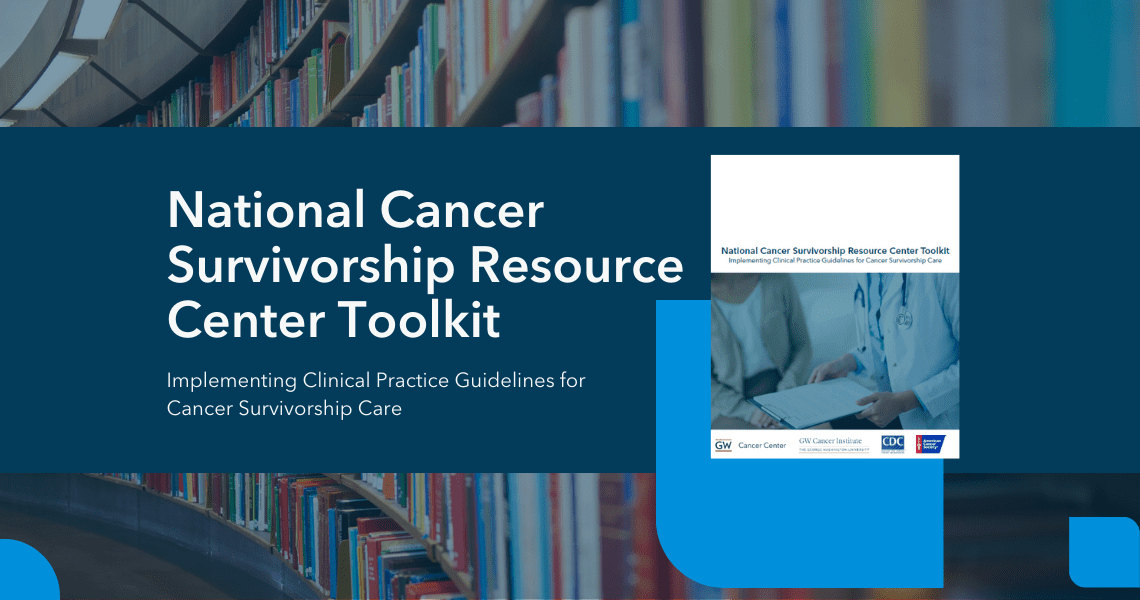
Survivorship Resource Center Toolkit Image

National Cancer Survivorship Resource Center Tools

This resource offers help with implementing the American Cancer Society cancer survivorship care guidelines for colorectal, head and neck and prostate cancers and the American Cancer Society/American Society of Clinical Oncology cancer survivorship care guideline for breast cancer. In addition to the guidelines, information is included on training opportunities for primary care providers and patient

National Cancer Survivorship Resource Center Tools Read Post »

CDC logo

Caring for Cancer Survivors

People are living longer after a cancer diagnosis because of advances in early detection and treatment. Medical and public health professionals can help prepare survivors for the possible long-term and late effects of cancer and its treatment on their physical and psychosocial well-being. Access Survivorship Care Plans and additional information to improve your patient’s health

Caring for Cancer Survivors Read Post »

Cancer Survivorship

The term Cancer Survivorship has come to have various meanings over the years. In the past, a cancer survivor has been used to refer to anyone who has ever been diagnosed with cancer, no matter their phase of life. More recently, many groups have come up with terms to refer more specifically to distinct phases

Cancer Survivorship Read Post »

Scroll to Top